Rented Eyes, Real Answers: What a Pre-Purchase Inspection Actually Catches
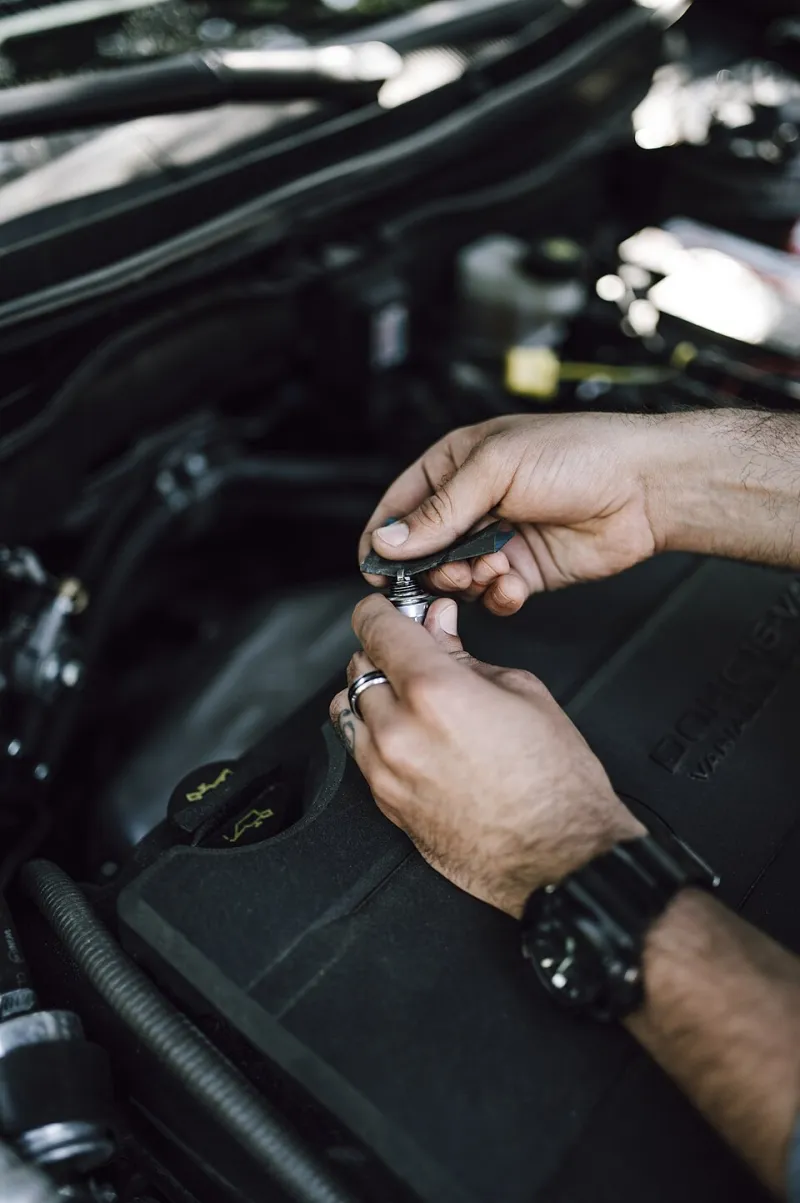
Photo: Shixart1985, CC BY 2.0, via Wikimedia Commons
You've done the walkaround. You've read the MOT history back to front. You even remembered to lift the boot carpet and sniff for damp. And now you're standing on a forecourt or in somebody's driveway trying to work out whether the noise on the test drive was 'character' or 'gearbox'. This is the moment a pre-purchase inspection earns its keep — not as a magic wand, but as a second pair of eyes with a lift and a code reader.
First, be clear about what you're buying
An inspection is not a guarantee. It is not insurance. It is a professional opinion, formed on one day, about a car's visible and readable condition. Good inspectors say so in the first paragraph of their report — and most buyers skim straight past it because the summary came back green.
What you're really buying is pattern recognition. Someone who has seen four hundred Ford Focuses knows what a tired one feels like at 50mph, and that's not something you can learn from a YouTube video the night before a viewing.
Cost, timing and who to book
Expect roughly £120–£220 for a mobile inspector who comes to the car, and £200–£300 for a ramp-based inspection at a workshop. Specialist work — hybrid and EV battery health, performance cars, 4x4s with transfer boxes — sits above that. The big motoring organisations run their own schemes, and there are national networks of mobile mechanics who'll do a decent job for less than you'd spend on a set of tyres.
Timing matters more than the badge on the report. Book it before you put a deposit down if you can. If the dealer wants money to hold the car, make the deposit conditional on the inspection in writing — a text message is better than a verbal nod, and an email is better than both. Some dealers will happily take the car to your chosen garage; others will only allow their own. If they refuse access entirely, that's information too.
Private sellers need a bit more cooperation. Ask them not to start the car before you arrive, because a cold start tells you far more than a warm one. Ask for an hour of their time and a proper road test with you insured to drive it.
What the ramp and the code reader actually reveal
This is the meat of it, and it's more than most buyers expect:
- Paint depth readings across every panel, which flag filler, blow-overs and previous accident repairs.
- Structure: chassis legs, sill seams, subframe mounting points, panel gaps that don't line up.
- Tyres by date code, cross-referenced with the mileage. Four different budget brands on a 'cherished' car tells you something.
- Brakes measured, not eyeballed — disc thickness and pad depth.
- Suspension play: ball joints, bushes, dampers, top mounts.
- Fluids and leaks: coolant staining, mayonnaise under the oil cap, weeping sumps, damp diffs.
- Corrosion: rear subframes, brake lines, jacking points, inner wings.
- Fault codes — stored, pending and cleared-but-not-forgotten — plus freeze-frame data, readiness monitors and live values such as fuel trims, injector balance, DPF soot loading and gearbox temperatures.
- Hybrid and EV battery data: state of health, cell balance, module temperatures.
- The road test: braking, gearshift quality, steering pull, vibration at speed, clutch bite point, low-speed shuffle from a dual-clutch box.
That's a lot of ground covered for the price of a service. It is genuinely worth the money on anything above about £4,000.
Where the report goes quiet
Now the honest bit. Intermittent faults are the classic blind spot. A car that throws a warning light once a fortnight in the wet, or only after forty minutes of motorway, will usually behave perfectly for the hour an inspector has with it. Gearbox wear that only shows when hot and loaded can slip through a short drive. Air-conditioning leaks need dye and a couple of weeks. Water ingress needs rain. Infotainment glitches, electric window gremlins and parasitic battery drains often refuse to repeat on cue.
An inspection also can't tell you the future. A healthy alternator can fail next month; that's not negligence, it's a machine. And it won't verify the service history's authenticity, check for outstanding finance, confirm the mileage or reconcile the V5C with the metal — that's separate paperwork you do yourself or via a history check.
Turning the report into money
Read the report in tiers. Safety and legality first — tyres, brakes, corrosion, warning lights. Then imminent big bills — cambelt, clutch, DPF, hybrid battery. Then cosmetics, which are mostly a distraction. Get quotes for the big items from your own garage in writing, and use them. On a £7,000 car with £900 of identified work, asking for £400 off plus a fresh MOT and two new tyres is a reasonable, non-confrontational opening.
And if the report is bad enough, walk. That's the whole point of paying for it before you're emotionally invested.
Pair it with paper, not faith
Buy from a dealer and you still have the Consumer Rights Act 2015 behind you: the car must be as described, of satisfactory quality and fit for purpose, with a 30-day short-term right to reject for faults that were there at purchase. An inspection doesn't sign those rights away. Buy privately and you have far less protection, which is precisely why the inspection matters more there.
Treat the report as a negotiating document and a decision aid — not a promise that nothing will ever go wrong. That's the deal, and it's still a good one.