The Premium Before the Deposit: Pricing Insurance for a Used Car You Haven’t Seen
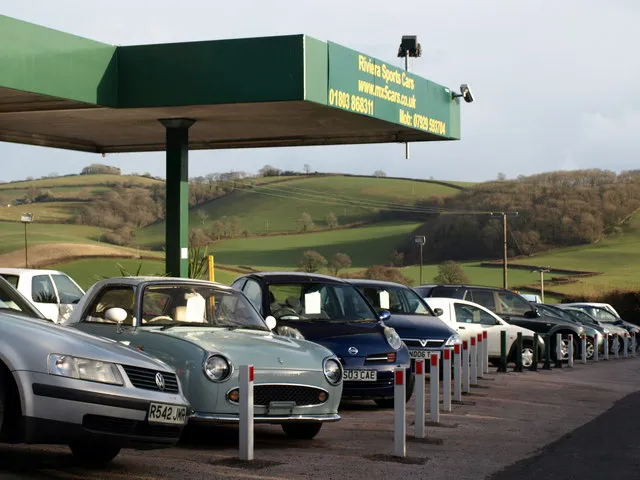
Photo: Derek Harper, CC BY-SA 2.0, via Wikimedia Commons
Most used-car deals go wrong in a predictable order. You see the advert, you like the shape, you book the viewing, you pay a deposit, and only then do you ring the insurer. The quote comes back at a number that makes the car look less like a bargain and more like a monthly bill you did not budget for.
At ALD Car Supermarket, we would rather you price the cover before you price the train fare. Insurance is part of the cost of the car, not an admin job after the handshake. And in 2026, the gap between a comparison site’s ‘from’ price and a real quote has not got any smaller.
The ‘from’ price is not a quote
Those headline figures are built on assumptions: a certain age, a certain postcode, a certain job, a certain excess, a certain annual mileage. Your quote uses your details, your parking, your claims history and your actual address. A group 10 car in a cheap postcode can still cost more to insure than a group 20 car somewhere else. The group is a sorting tool, not a promise.
That is why the first useful question is not ‘what group is it?’ but ‘what does this exact car, on this exact registration, cost me at my postcode?’
Get the registration before you get attached
Ask the seller for the registration, the exact trim, the engine, the gearbox and a written list of any modifications. If they will not give you the reg before a viewing, treat that as a warning sign. You need it to check the car’s identity on the DVLA vehicle enquiry service, read its MOT history on gov.uk and run a real insurance quote.
A private plate can make an older car look newer in an advert. It is not automatically a problem, but ask for the original registration as well so the age and history line up with the V5C. The quote should be for the car as it will sit on your drive, not the version in the photos with the flattering angle.
The five-minute insurance group check
UK insurance groups run from 1 to 50, with lower groups generally cheaper to cover. Look up the group for the exact trim, not just the model name. A small city car in a low group is a different insurance proposition from the same body shape with a turbocharged engine and bigger wheels.
If a cheap car sits in a high group, pause. A £4,000 older hot hatch can carry theft risk, repair costs and a group rating that makes it expensive for a new driver. The purchase price is only half the story.
Postcode, parking and the boring details
Use your home postcode, not the dealer’s. Use your real overnight parking — driveway, garage, street or car park. Set the annual mileage you actually expect, not a fantasy figure to get a lower price. If you are moving house soon, quote both postcodes before you commit.
These details are not small print. Postcode weighting can move a premium by hundreds of pounds. So can adding a named driver, changing the excess, or declaring commuting use when you only pop to the shops.
Do not be tempted to put a cheaper driver as the main driver. That is fronting, and it can void the cover when you need it most.
The modification flag that sinks quotes
Aftermarket alloys, lowered suspension, tinted windows, a stainless exhaust, a remap, a towbar or a bodykit can all change the risk. Some insurers will not cover modified cars at all; others will, at a price. If the seller says ‘it’s all standard’, ask for photos and a written confirmation. If you are unsure whether a factory option counts as a modification, declare it and let the insurer decide.
This matters because a quote on a standard car is not a quote on a modified one. If the current owner has not declared their changes, their policy may be invalid — and your cheap quote may be based on a car that does not exist.
Build a quote you can actually compare
Use the same details across three comparison sites and a couple of direct insurers. Keep the voluntary excess the same, the mileage the same, and the payment method the same. Compare the annual total, not just the monthly figure; monthly payments are credit and usually cost more.
Save screenshots and quote references. Check whether windscreen cover, courtesy cars and legal cover are included. Then run one more quote with the modifications declared, even if you think they are minor. That second number is the one that tells you whether the car is affordable to own.
The ten-minute routine before you book a viewing
- Ask for the registration and a written modifications list.
- Check the reg against the advert and the MOT history.
- Look up the insurance group for the exact trim.
- Run three real quotes at your postcode.
- Re-run the best quote with any modifications declared.
- Note the excess, the monthly cost and the annual total.
- Ask your insurer how collection-day cover will work.
- Set a premium ceiling before you leave the house.
The deposit rule
Do not pay a deposit until the quote is acceptable and you know how you will insure the car on collection day. A deposit may be refundable in some cases, but it is not a free option. If the annual premium is a large fraction of the car’s price, ask yourself whether you are buying a car or a liability.
A £4,000 car with £1,500 cover is a different purchase from a £4,000 car with £500 cover. The metal is the same; the ownership experience is not.
Insurance is not the boring bit after the test drive. It is part of the deal. Price it before you fall for the car, and you will save yourself the most expensive kind of surprise.