Camera Before Keys: The Handover Photo Set That Gives You a Paper Trail
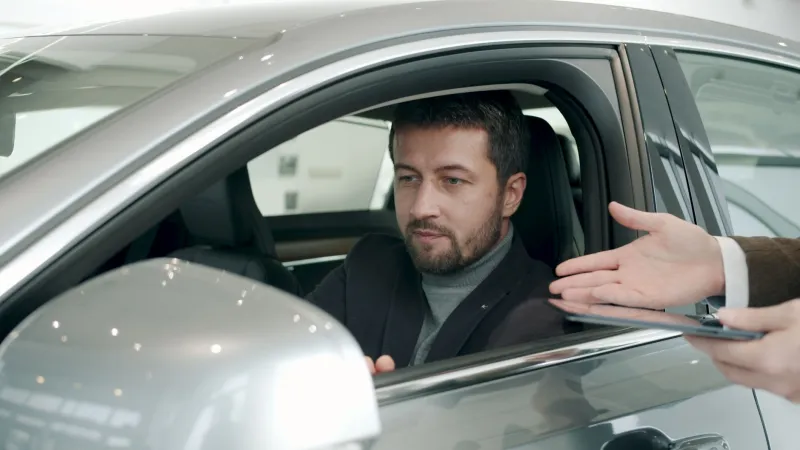
Most used-car handovers are friendly, hurried and a bit surreal. You have waited, arranged insurance, maybe cancelled a train, and now someone is jogging you through a key fob while you nod at a paint scuff you will forget by teatime. That is exactly why the camera comes out before the car moves. A five-minute photo audit at collection is not about distrusting the dealer. It is about creating a simple, dated record of what you were handed, what was promised and what the dashboard was saying while the engine was still cold. If something odd appears a week later, you are not relying on memory and a vague chat in a busy office. You have a set of images with timestamps.
Why a handover photo set earns its keep
A used car is a pile of small facts: mileage, warning lights, tyre condition, fuel level, keys, paperwork and the state of the bodywork. At handover, those facts are fresh. Later, they become arguments. The photo set is not a legal document and it will not solve every dispute, but it gives you a clear starting point. Under UK consumer law, your rights against a trader are strongest when you can show the condition at the point of sale and how quickly a fault appeared. Photos do not replace a proper complaint or a formal rejection, but they make the first phone call much less fuzzy.
The trick is to shoot deliberately, not just snap the shiny bits. Twelve pictures, taken in daylight if possible, cover the points that matter most.
The 12-photo handover audit
-
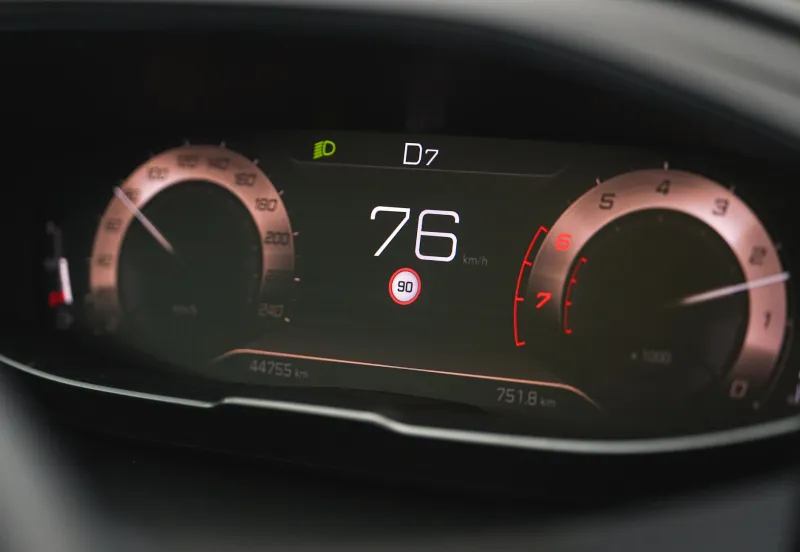
Odometer with ignition on. Get the mileage clearly, plus the date and time visible in your phone's metadata. If the car is 'delivery mileage' or has just been moved, the number should make sense.
-
Dashboard warning lights. Turn the ignition to the point where all the bulbs illuminate, then start the engine and photograph what remains. A quick snapshot of a lit engine management light or an airbag warning is worth more than a later text saying 'it was on when I got home'.
-
Fuel gauge and range. Photograph the level. If the advert or handover chat promised a full tank, this is your proof. It also stops the small, silly argument about whether you drove off with a quarter or an eighth.
-
Front three-quarter shot. Stand back and capture the whole front end, including the number plate. This is your baseline for panel gaps, bumper alignment and paint match.
-
Rear three-quarter shot. Same idea at the back. Include the boot lid, rear bumper and lights. If you are picking up an SUV or estate, this also shows the ride height and any tow bar.
-
Each alloy or wheel, plus tyre sidewalls. One photo per corner is ideal. Get the tyre brand, size and DOT code where you can. A sidewall bulge or a mismatched tyre is easier to raise while you are still on the forecourt.
-
Any existing damage. Photograph every scuff, kerbed alloy, stone chip and crease you have already accepted. It feels odd to document flaws you know about, but it stops them being confused with new damage later.
-
Windscreen and lights. A wide shot of the glass, plus close-ups of any chips. Check the headlights, fog lights and indicators are intact. Windscreen chips are a classic 'was that there before?' item.
-
Interior condition. Driver's seat, door card, boot floor and the top of the dashboard. If the advert said 'immaculate', this is where you find out what immaculate meant.
-
Keys and fobs. Photograph every key, fob and any emergency key. Put them together so the count is obvious. A second key is a real cost, and 'it should be in the post' is not a key.
-
Paperwork spread. Lay out the V5C, service record, MOT certificate if printed, and any handover checklist. Photograph the V5C reference and the document date, not your personal details. Check the keeper details match what you agreed.
-
The car on the forecourt, with the dealership in shot. This sounds trivial, but it places the car at the point of collection. A wide shot with the site sign or building in the background helps tie the set together.
Shoot it like evidence, not like a car advert
Use the phone's normal camera, not a filter. Keep the flash off where possible; daylight is clearer. Take each photo slightly wider than you think, then a close-up if needed. Make sure the number plate and mileage are readable. Do not edit, crop or add stickers. If you are using a shared album or cloud backup, check the date and time are preserved.
Ask the salesperson to wait a moment while you do it. Most will not mind. If they rush you, that is useful information in itself. A quick line such as 'I just want a record for my own peace of mind' keeps it friendly.
The paperwork photo is not optional
The V5C is not proof of ownership in the way people sometimes think, but it is the document that tells DVLA who is responsible for the car. Photograph the document number and the date, and check the vehicle details against the car. If the dealer is taxing it for you or handling a transfer, note that too. Keep the photos in a folder labelled with the registration and collection date. It takes ten seconds and saves rummaging.
What the photos will not do
They will not replace a proper test drive, an MOT history check or a mechanical inspection. They will not force a dealer to accept a claim if the fault is wear and tear. And they will not make a bad car good. What they do is give you a calm, dated record of the handover, which is exactly what you need when the first surprise arrives. In 2026, with more used cars being reserved online and collected quickly, that small camera audit is one of the cheapest bits of protection going.
Take the twelve shots, check the paperwork, and drive away with more than a key and a handshake.