Keeper Maths: Why a Low Owner Count Isn't Proof of Care
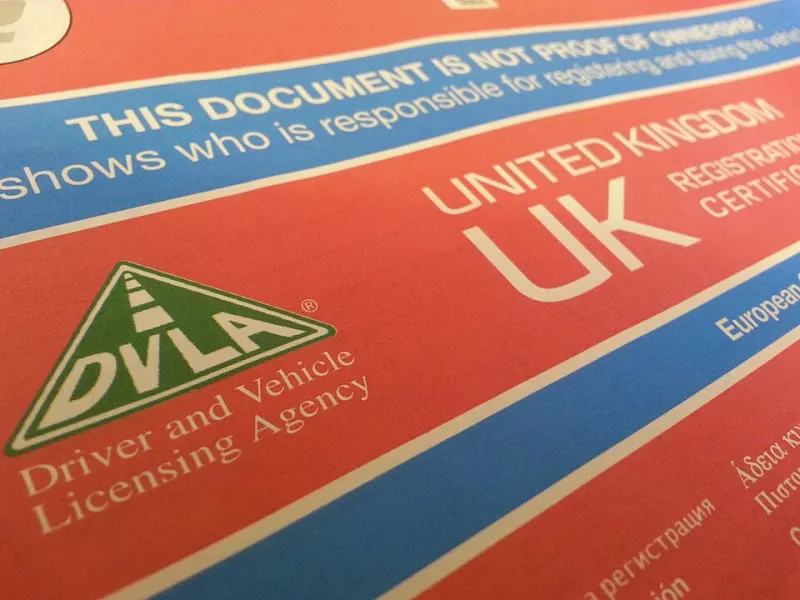
Photo: Davidrice557, CC0, via Wikimedia Commons
There is a line in the used-car trade that buyers treat like a purity test: one owner from new. It sells cars. It commands a premium. And it is, on its own, about as informative as knowing someone's shoe size.
I'm not saying owner history is worthless. I'm saying we've turned a single digit into a moral judgement, and it's costing buyers money and, occasionally, costing them the better car.
What the V5C actually tells you
Section 6 of the V5C gives the number of previous keepers. Note the word: keepers, not owners. A company can own a car outright while three different employees are the registered keepers over its life. A leasing firm owns hundreds of cars that appear to have one careful keeper each.
Also worth knowing: DVLA stopped printing previous keepers' names on the document years ago, so you can't see who they were or how long each one had it. You get a count and a series of dates. That's it. The rest is deduction.
So the first rule is simple — check the number on the V5C matches whatever the advert claims, and check that the person selling is the person on the document. A mismatch isn't always sinister, but it needs explaining before money changes hands.
Why 'one owner' is the most overrated line in the advert
A three-year PCP followed by a two-year lease followed by a private buyer produces, on a seven-year-old car, three keepers. That is completely, boringly normal. The average UK car changes hands every few years; the used market is built on exactly this churn.
Meanwhile, a single-keeper car can be a former rental, a driving-school motor, a company pool car with forty different drivers and a service record maintained to the letter of the fleet contract and not a mile further. One keeper. Not one careful owner.
Conversely, Motability cars — three-year leases, one keeper, serviced on the dot, adapted or not — are often quietly excellent used buys despite ticking the fleet box rather than the romantic one.
When a high keeper count is completely normal
- Short-lease and PCP cars. Two-to-four-year terms mean the count climbs faster than the wear does.
- Second cars that get sold when a family grows or a commute changes.
- City cars passed between relatives, or bought, kept two years and traded in.
- Anything cheap. Under £5,000, cars change hands quickly because that's what cheap cars do.
A five-keeper ten-year-old with 90,000 miles and a folder of invoices is not a scandal. It's a Tuesday.
When it's a genuine warning
The pattern to watch isn't the total. It's the rhythm.
Keeper changes every eight to twelve months, over and over, suggests a car being shuffled — bought cheap, cleaned up, sold on. Watch for a V5C issued very recently relative to the sale date, repeated plate changes, and a seller who isn't the registered keeper and explains it with 'selling it for a mate'. None of those prove anything alone. Three of them together is a pattern.
Also pay attention to the reason a car is being sold shortly after purchase. Sometimes it's honest — a growing family, a job that came with a van, a back problem that made the seats unbearable. Sometimes it's 'the garage can't find the fault'. You won't always be able to tell which. But the answer you get, and how quickly it arrives, tells you something about the seller.
The paper that beats the number
If I had to choose between a two-owner car with a shoebox of invoices and a one-owner car with nothing but a stamped book, I'd take the shoebox every time. Here's the stack that actually reassures:
- Invoices with dates and mileages, especially for consumables — tyres, brakes, batteries. They show someone spending money on the boring stuff.
- MOT history, read properly: mileage progression, advisories repeated or fixed, fails explained.
- Date codes on tyres and the battery, cross-checked against the mileage claim.
- A stamped book plus digital records, since many modern cars log servicing electronically and a blank book isn't always a blank history.
- A history check for finance, write-offs, stolen markers and plate swaps.
The number of keepers tells you how many times the keys changed hands. The paper tells you how the car was treated while somebody held them.
Five questions worth asking out loud
- How long have you had it, and what made you buy it?
- Why are you selling it now?
- Who has been servicing it, and can I see the invoices?
- Is there anything that needs doing that you haven't got round to?
- Is the V5C in your name, at this address?
Buyers who ask these get a feel for a seller in about ninety seconds. Evasiveness, a story that shifts, or a sudden rush to 'someone else is coming to look at it this afternoon' — those are signals worth more than a digit in section 6.
So by all means note the keeper count. Just don't let it do the thinking for you. A car's history is a document trail, not a personality test, and the best-value used car on the forecourt is very often the one with slightly more owners and a lot more receipts.