The Bill You Actually Sign: Reading a Used-Car Invoice Like a Skeptic
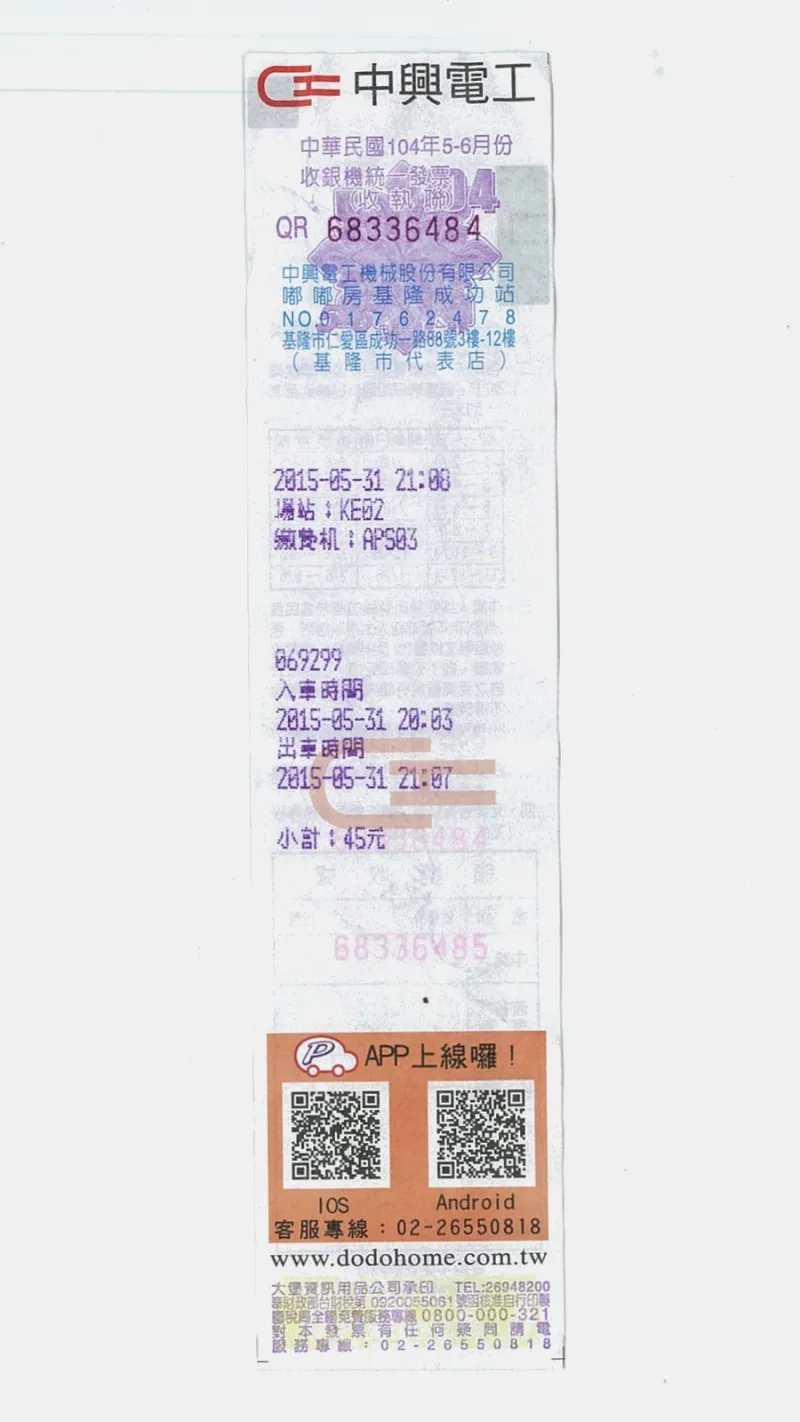
Photo: Solomon203, CC BY-SA 4.0, via Wikimedia Commons
The invoice is the least glamorous part of buying a used car. By the time it appears, you have already done the viewing, the test drive and the awkward part-exchange negotiation. It is tempting to sign where the salesperson points and get on with your life. Do not. This is the document that says what you pay, what you get and what the dealer has promised. Treat it like a contract with a car attached, because that is what it is.
At ALD Car Supermarket we see plenty of buyers who can haggle over £200 on the screen price and then sign a finance office menu that adds £1,500 without blinking. The invoice is where that happens. Read every line, ask what it buys, and make sure the total matches the deal you agreed.
The car price is the one line that should be boring
The cash price or vehicle price should match the advert and the conversation. Check the registration, make, model, variant and mileage next to it. If the price has moved since you paid a deposit, ask why. A dealer can change a price before you sign, but they should explain it. Do not accept a vague 'that was the online price' if the invoice says something else.
Admin fees: the line with no car attached
Admin fee, documentation fee, processing fee, file fee: it goes by many names. Ask what it pays for. Sometimes it covers registration and paperwork; sometimes it is just margin with a stationery budget. It is usually negotiable, especially if you are paying cash or financing through the dealer. If it appears after you have agreed a total, challenge it. Get the out-the-door figure in writing before you commit.
Preparation charges: pay for work, not a word
'Preparation' can mean a valet and a fresh MOT, or it can mean a bucket of water and a hopeful smile. If the dealer charges for preparation, ask for an itemised list: service, MOT, valet, tyres, brake pads, paint repair. If the car was advertised as prepared, that work should not appear as a surprise extra. If it is a genuine charge for work done, it should be described clearly. Do not pay for a word.
Add-on products: the profit centre
GAP insurance, paint protection, alloy wheel cover, scratch and dent cover, key cover, extended warranty: this is where the finance office earns its keep. None of it is compulsory. Ask for the total cost, not the monthly figure. Ask what it covers, what it excludes and whether you can buy equivalent cover elsewhere. Some products have a cooling-off period; some do not. If you do not want it, say no clearly and check it has not been added anyway.
Road tax and the DVLA check
Vehicle tax is often treated as a separate thing, and it should be. Check the tax status on GOV.UK before you drive away. If the dealer says tax is included, the invoice should say so and show the amount. If you are taxing it yourself, budget for it and do not let it be bundled into a finance package without understanding the total. A used car with no tax is not a bargain if you cannot legally drive it home.
Deposit, balance and the part-exchange settlement
The deposit line should show what you have already paid and what is still owed. Keep the receipt. If you are part-exchanging a car with outstanding finance, the invoice must show the settlement figure, who is paying it and when. Get written confirmation that the finance will be cleared. A verbal 'we'll sort it' is not enough. The balance due should be the amount you actually hand over, after deposit, part-exchange and any finance.
The details that must be on the invoice
Before you sign, check that the invoice includes the dealer's legal name and address, your name and address, the vehicle registration, VIN, make, model and mileage. It should itemise the price, deposit, balance, finance details and any add-ons. It should state the delivery date and any promises made during the sale: second key, mats, a dent repair, a service. If it is not written down, it is a nice memory. Also check the warranty or guarantee terms and the MOT date.
What to do before money changes hands
Ask for a clean, final PDF by email. Check the numbers against your own maths. If something is wrong, ask for a revised invoice rather than a scribble in the margin. Do not leave blank spaces, and do not sign a document you have not read. If the dealer pressures you to sign quickly, that is a reason to slow down. A good dealer will not mind you checking the paperwork.
The walk-away test
If the total does not match the deal, if a fee has appeared from nowhere, if add-ons are being pushed hard or if the part-exchange settlement is vague, walk. The invoice is not a formality. It is the paper trail you will need if the car goes wrong or the figures are disputed. Sign it only when every line makes sense.