Deadline Theatre: Why 2035 Shouldn't Pick Your Next Used Hybrid
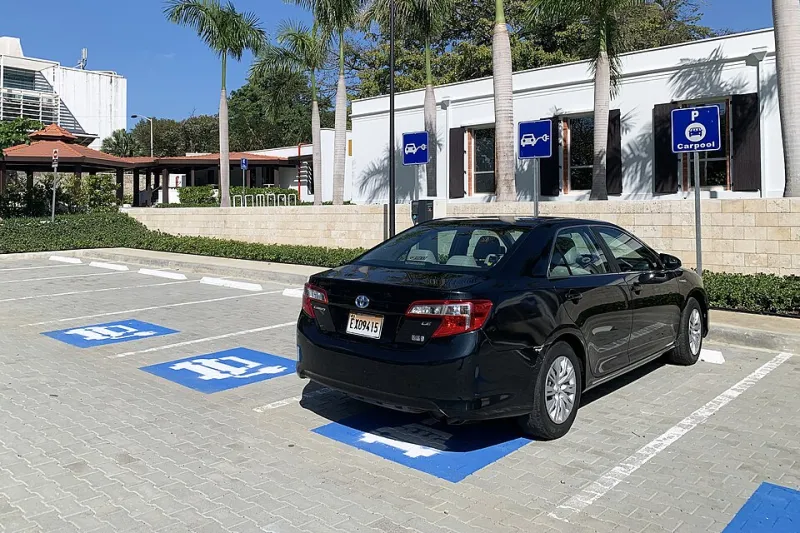
Photo: Mariordo (Mario Roberto Durán Ortiz), CC BY-SA 4.0, via Wikimedia Commons
Every few months someone sends a screenshot round the school gate WhatsApp group announcing that hybrids are 'being banned in 2035' and therefore a used one is a terrible idea. It's a strange piece of logic, a bit like refusing to buy a second-hand kettle because new kettles will have different plugs one day. Let's untangle it.
The dates, briefly, without the panic
As things stand, the UK plan is to stop selling brand-new pure petrol and diesel cars from 2030, with new hybrids allowed to continue until 2035 — and even that has been consulted on more than once, so treat any firm date as 'current policy' rather than prophecy. There's also a steadily rising percentage of new-car sales that must be zero-emission under the ZEV mandate.
Now read that again slowly. Every one of those rules is about new cars being sold. None of them bans driving a hybrid, owning a hybrid, insuring a hybrid, servicing a hybrid, or selling a used one on. There is no scrappage scheme waiting in the wings. There is no expiry sticker on the boot lid. A 2021 Toyota Corolla bought in 2026 will still be a perfectly ordinary used car in 2036, and someone will be glad of it.
Why a used hybrid doesn't have a cliff edge
Hybrids have been on UK roads in serious numbers since the second-generation Prius, which means the used market already contains cars that have done 150,000 miles on their original battery pack. The pack in a conventional hybrid is small — usually between one and two kilowatt-hours — and it lives a gentle life, charging and discharging in shallow cycles rather than being drained to empty on a motorway. That's why they last.
What ages a hybrid is mostly the same stuff that ages anything else: suspension bushes, brake calipers, tyres, the 12V battery, coolant hoses and the general enthusiasm of the previous owner. The big scary battery is usually the last thing to grumble, not the first.
The battery question, asked properly
'Is the battery OK?' is the right question asked in the wrong way. Ask instead for evidence:
- A hybrid health check printout from a franchised dealer showing state of health and cell balance. Several manufacturers run annual health checks that extend battery cover for years, provided the car is serviced on schedule — that's genuinely useful and worth confirming it's been done.
- Cooling duct condition. Hybrid packs are usually air-cooled, with intakes under the rear seat or in the boot side panel. On a family car, those ducts collect crisp crumbs, pet hair and the occasional dried chip. Blocked ducts cook batteries. It's a five-minute check and a hoover.
- Live data at idle and under load, not just a fault-code sweep. Cell imbalance and rising internal resistance show up in the numbers long before a warning light.
- Any history of battery-related fault codes, even cleared ones.
If a seller can't produce anything and won't allow a check, that's your answer, and you haven't spent a penny finding out.
Servicing: what actually wears out
Here's the bit that surprises people. Because the electric motor does so much of the braking, hybrid brakes often last an enormous distance — which sounds brilliant until you remember that calipers seize when they don't get used. Ask whether the rear calipers have been stripped and cleaned, and budget for it if not.
Beyond that, hybrids want the same as anything else: engine oil on time, brake fluid every couple of years, inverter coolant at the specified interval (yes, hybrids have two cooling circuits — don't let a garage miss one), spark plugs at higher mileages, and a clean cabin filter. Some 'sealed for life' transmission fluids are worth changing anyway if you plan to keep the car past 100,000 miles.
The myths that keep circulating
'Hybrids are pointless on motorways.' They're at their best in town, certainly. But a well-designed hybrid still cuts engine load at cruising speed and shuts down at junctions. Marginal benefit is not zero benefit.
'The battery will cost £5,000 to replace.' A main dealer quote may be eye-watering. Reconditioned packs and individual module replacement are far cheaper and widely available, and most hybrids never need either.
'Plug-in hybrids are the smart buy.' Only if you can actually charge at home or work. A PHEV that's never plugged in spends its life hauling a heavy battery around and returns worse economy than a normal hybrid. And a PHEV that's only ever run on electricity has its own issues — stale fuel, seized brakes, a petrol engine that hasn't warmed through in months.
What to ask before you sign
Forget 2035 for a minute. Ask these instead: how many miles a week do you actually do, and where? If it's mostly school runs, supermarket trips and the occasional trip to the coast, a hybrid suits you well. If it's 25,000 motorway miles a year, do the maths on a diesel or a frugal petrol before you get misty-eyed.
Then check the charging cable is present on a PHEV (replacements aren't cheap), confirm the battery health documentation, look for service stamps at the right intervals rather than just plenty of them, and check the boot still swallows a buggy with the parcel shelf out.
A distant policy deadline is not a maintenance item. The battery health printout is. Spend your worry there.