Five Grand, No Fantasies: What a Sub-£5k Used Car Really Gets You in 2026
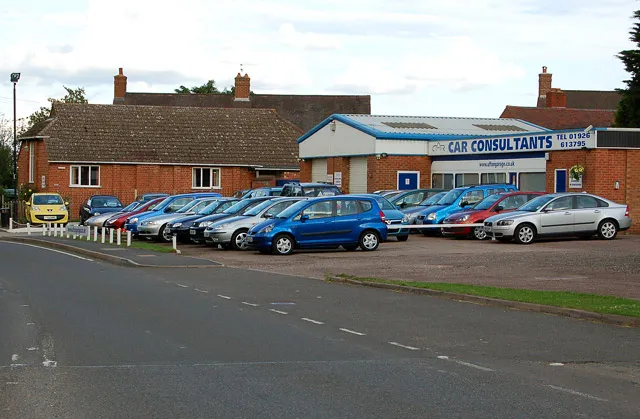
Photo: Andy F, CC BY-SA 2.0, via Wikimedia Commons
Five grand sounds like proper money. In used-car land in 2026, it is a useful budget, but it is not a magic wand. You are not buying a nearly new car with a bow on it. You are buying an older car that needs to be chosen carefully, checked properly, and budgeted for beyond the sticker price.
That is not doom and gloom. It is just the reality of the sub-£5,000 market. Get it right and you can end up with a genuinely useful little car that starts every morning and does not punish you at the pumps. Get it wrong and you have bought somebody else's expensive problem with a fresh valet and a hopeful advert.
What £5,000 actually puts on your driveway
In 2026, £5,000 generally puts you in the older end of the market. Think superminis and small hatchbacks from roughly the early-to-mid 2010s, plus some larger family cars with higher mileage or less fashionable badges. You will see plenty of Ford Fiesta, Vauxhall Corsa, Toyota Yaris, Honda Jazz, Suzuki Swift, Mazda2, Skoda Fabia, Kia Picanto and Hyundai i10 shaped cars in this bracket. That is not a bad list. These are the cars that tend to make sense when the budget is tight because parts are plentiful, garages know them, and insurance is usually manageable.
The best odds are with simple petrol cars, preferably with a clear service history and a sensible owner. A manual gearbox is often the safer bet at this price because clutch replacement is a known cost rather than a mystery. A naturally aspirated engine with no turbocharger is usually less complex than a small turbo unit that has been asked to do a lot of work for a long time.
What should make you pause? Cheap premium badges. A sub-£5,000 Audi, BMW or Mercedes sounds tempting until a sensor, suspension arm or electronic module needs replacing. Big SUVs can also be a trap: more weight, more tyres, more fuel, more expensive parts. And be realistic about early electric cars. An old electric hatchback might appear near this budget, but battery condition and range are the whole ball game. A cheap EV with a tired battery is not a bargain; it is a very specific kind of project.
Where the corners get cut
This is the part that matters. At £5,000, sellers are often working to a tight margin, and that means presentation can get ahead of substance. Fresh tyres can be cheap tyres. A recent MOT can still have a long list of advisories. A clean interior can hide a car that has been neglected underneath.
The usual suspects are worn clutches, tired suspension, corroded brake lines, leaking shock absorbers, dodgy electrics, and rust in the places you cannot see in photos. Service history is often patchy. Some sellers will say it has just been serviced, but without paperwork that means very little. You want invoices, stamps, MOT certificates and a story that hangs together.
Mileage is another one. A low-mileage older car sounds great, but short trips and long periods standing still are not automatically kind to a car. A higher-mileage motorway car with proper servicing can be the better buy. The number on the clock is a clue, not a verdict.
And then there is the seller. A genuine private seller at the address on the V5C is usually easier to read than a trader pretending to be private. If the car is being sold from a lay-by, a pub car park or a location that does not match the paperwork, ask why. Not every unusual sale is dodgy, but you are allowed to be suspicious.
The budget after the budget
A £5,000 car is not a £5,000 ownership experience. Set aside money for the first few months. A realistic emergency pot is £750 to £1,000, and more if you are buying near the top of the budget. That money is not wasted; it is what turns a risky purchase into a manageable one.
You also need to price up insurance before you travel. A cheap car can still be expensive to insure, especially for newer drivers or anyone living in a higher-risk postcode. Check road tax, fuel costs, tyre prices and whether the car is compliant with any clean air zone you use. A £5,000 car with four cheap tyres is really a £5,400 car. A £5,000 car that needs a timing belt is a £5,500 car. A £5,000 car with a warning light on the dash is not a £5,000 car at all until you know what that light means.
A false-bargain checklist before you travel
Do not jump on a train to view a car that has not passed a basic desk check. Ask for the registration, mileage, V5C details and MOT history. Check the MOT history online and read the advisories, not just the pass or fail. Run an HPI-style check for finance, theft and write-off markers. Ask for photos of the tyres, the dashboard with the ignition on, the engine bay, the sills and the boot floor.
Ask the seller not to warm the car up before you arrive. A cold start tells you far more than a warm one. Ask why they are selling and whether the V5C is in their name. If they will not share the registration or VIN before you travel, walk away. There are plenty of cars for sale and no shortage of sellers who will answer a sensible question.
If you are spending close to £5,000, a pre-purchase inspection from a local garage or motoring organisation is often money well spent. It is not a guarantee, but it is a second pair of eyes on the ramp. At this end of the market, that can be the difference between a good little car and a headache you will be explaining to your bank account for months.
The honest verdict
£5,000 still buys a decent used car in 2026, but only if you choose boring over bling and checks over charm. The sweet spot is a simple petrol hatchback with honest history, sensible mileage and a seller who is happy to answer questions. The trap is the car that looks like a steal because it has been priced to move quickly.
That is the ALD Car Supermarket view: checked and explained, not glossed over. A £5,000 car is a starting point, not a finish line. Buy with your head, leave a little money in the pot, and you can still end up with a car that earns its keep.